Post by Baronvonrort on Aug 6th, 2023 at 12:31am
Setanta wrote on Aug 5th, 2023 at 7:55pm:
|
Do they have wireless car charging?
 carport.jpg (196 KB | 13
)
carport.jpg (196 KB | 13
)| Australian Politics Forum | |
|
http://www.ozpolitic.com/forum/YaBB.pl
General Discussion >> Technically Speaking >> Concrete and carbon black as a capacitor http://www.ozpolitic.com/forum/YaBB.pl?num=1691223584 Message started by Setanta on Aug 5th, 2023 at 6:19pm |
|
|
Title: Concrete and carbon black as a capacitor Post by Setanta on Aug 5th, 2023 at 6:19pm Quote:
|
|
Title: Re: Concrete and carbon black as a capacitor Post by chimera on Aug 5th, 2023 at 7:36pm
So you put solid glass solar panels in the concrete road with the superconductor copper-lead and get free home and car power. If the Greens will allow it.
|
|
Title: Re: Concrete and carbon black as a capacitor Post by Setanta on Aug 5th, 2023 at 7:55pm chimera wrote on Aug 5th, 2023 at 7:36pm:
How about solar panels on your carport and your car charges wirelessly while parked there on the concrete? Surely even the Greens won't be able to stop that. |
|
Title: Re: Concrete and carbon black as a capacitor Post by chimera on Aug 5th, 2023 at 8:00pm
Or concrete cars and drive all night.
|
|
Title: Re: Concrete and carbon black as a capacitor Post by Setanta on Aug 5th, 2023 at 8:03pm chimera wrote on Aug 5th, 2023 at 8:00pm:
Well we do have concrete boats, logical extension. |
|
Title: Re: Concrete and carbon black as a capacitor Post by lee on Aug 5th, 2023 at 8:06pm chimera wrote on Aug 5th, 2023 at 7:36pm:
Nope. The solar panels get black from rubber etc. The solar panels stop working. |
|
Title: Re: Concrete and carbon black as a capacitor Post by issuevoter on Aug 5th, 2023 at 8:07pm
Very interesting. It seems a huge number of people are working on battery technology these days. Something good has to come out of it all. Yet, still we see hostility being passed off as constructive criticism. Its like they don't want electrification to succeed, but they cannot all have a vested interest in fossil fuel.
|
|
Title: Re: Concrete and carbon black as a capacitor Post by chimera on Aug 5th, 2023 at 8:17pm lee wrote on Aug 5th, 2023 at 8:06pm:
Inbuilt drip lines disperse solvent on the glass. https://haz-map.com/Agents/92 Acute exposure to 430 ppm has been reported to cause only slight eye and throat irritation |
|
Title: Re: Concrete and carbon black as a capacitor Post by lee on Aug 5th, 2023 at 9:06pm chimera wrote on Aug 5th, 2023 at 8:17pm:
Made from refined petroleum. Also known as thinners. Just where does this dispersion occur? What scrubs the panel? Thinners is volatile. It rapidly changes to a gas. In the brochure the flash point is 100F. "A mixture of natural gas distillates with carbon numbers of C5 to C6 and boiling points of 38 deg C to 93 deg C" "The World's First Solar Road Has Officially Crumbled Into a Total Failure" https://www.sciencealert.com/the-world-s-first-solar-road-has-turned-out-to-be-a-disappointing-failure But as an energy store it may work. |
|
Title: Re: Concrete and carbon black as a capacitor Post by Baronvonrort on Aug 6th, 2023 at 12:26am Setanta wrote on Aug 5th, 2023 at 8:03pm:
They stopped building ferro cement boats a long time ago. They don't restore ferro cement boats when they get concrete cancer it's terminal. |
|
Title: Re: Concrete and carbon black as a capacitor Post by Baronvonrort on Aug 6th, 2023 at 12:31am Setanta wrote on Aug 5th, 2023 at 7:55pm:
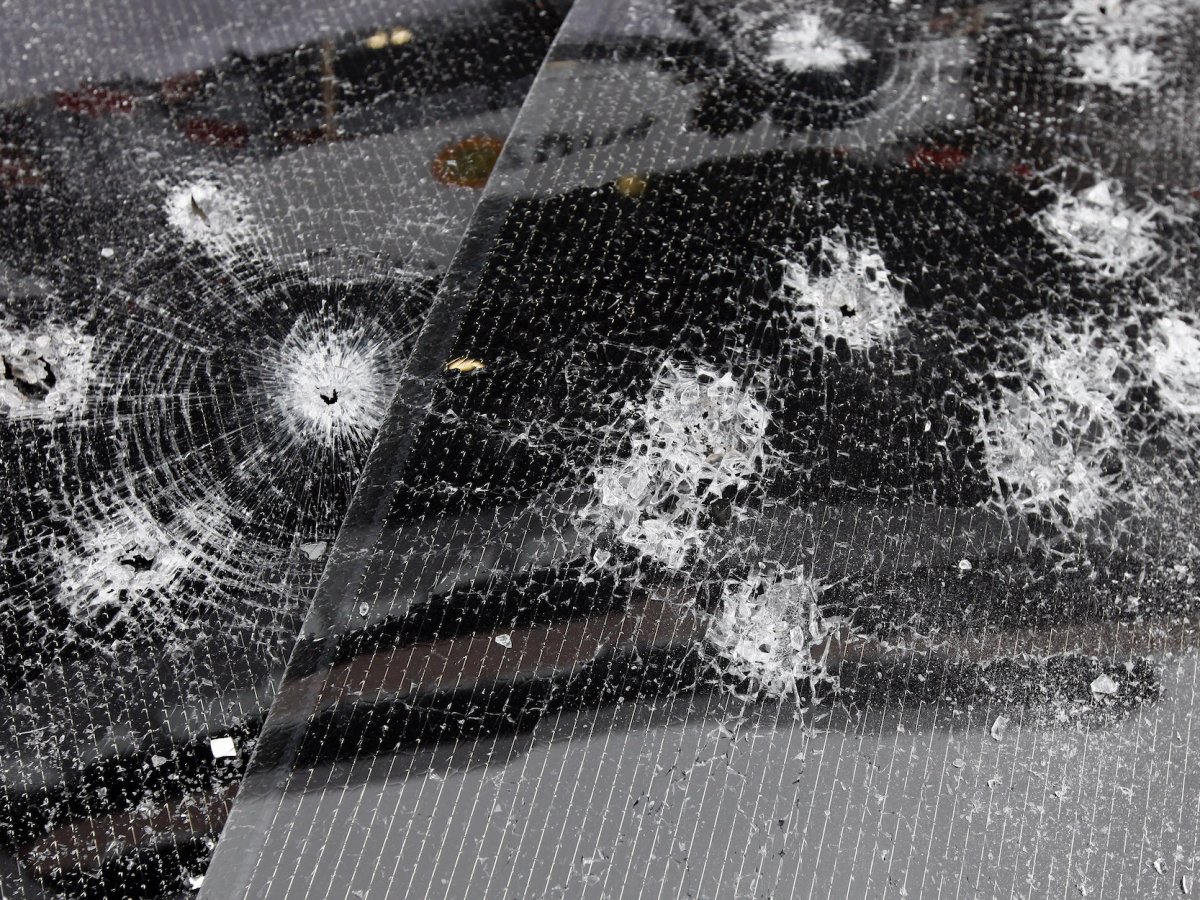
Do they have wireless car charging? carport.jpg (196 KB | 13
) |
|
Title: Re: Concrete and carbon black as a capacitor Post by chimera on Aug 6th, 2023 at 1:46am lee wrote on Aug 5th, 2023 at 9:06pm:
Car tyres scrub the panel. Add radiator glycol to solvent. The French road had leaves but Oz doesn't have autumn leaves, and there are no leaves or rubber on the glass there. |
|
Title: Re: Concrete and carbon black as a capacitor Post by chimera on Aug 6th, 2023 at 1:54am Baronvonrort wrote on Aug 6th, 2023 at 12:26am:
'Dozens of 40-year-old Gold Coast high rise apartment towers built in the 1970s face million-dollar concrete cancer repair jobs similar to the $215 million in repairs needed by Brisbane's City Hall'. A concrete Kingswood is worth restoring. The old-style steel ones get rusty but. Use aluminium, galvanised or carbon fibre concrete. Ships are in salt-water, cars aren't. |
|
Title: Re: Concrete and carbon black as a capacitor Post by lee on Aug 6th, 2023 at 1:34pm chimera wrote on Aug 6th, 2023 at 1:46am:
That's what leaves the deposit. It won't deposit and clean. chimera wrote on Aug 6th, 2023 at 1:46am:
It still remains a petroleum product. Glycol leaves a residue. "Chemicals are frequently needed to clean the glycol system." https://www.sciencedirect.com/topics/engineering/glycol-system chimera wrote on Aug 6th, 2023 at 1:46am:
Yeah, now all they have to do is fix the cracks. "Cracks have appeared, and in 2018, part of the road had to be demolished due to damage from wear and tear." "The trial road was meant to produce about 150,000 kWh a year, which is enough power to provide light for up to 5,000 people, every day. Instead, it was making just under 80,000 in 2018, and fewer than 40,000 by July 2019." It lasted less than 3 years. ::) |
|
Title: Re: Concrete and carbon black as a capacitor Post by chimera on Aug 6th, 2023 at 2:16pm lee wrote on Aug 6th, 2023 at 1:34pm:
The car tyres scrub the solvent. For glycol 'the most effective type of cleaner is a very heavy-duty alkaline solution', added to the drip-line. This clears grass from the road-side. Glass is armour laminated from World War II and resists concrete car damage. |
|
Title: Re: Concrete and carbon black as a capacitor Post by lee on Aug 6th, 2023 at 2:42pm chimera wrote on Aug 6th, 2023 at 2:16pm:
The car tyres leave rubber residue. Why do you think tyres need changing? If dust can reduce solar panel efficiency by 30% in a month, what do you think thousands of cars going over solar panels does. chimera wrote on Aug 6th, 2023 at 2:16pm:
And yet it didn't. And doesn't. Trucks get rocks between the dual wheels that loosen and fly. "Colas, the company that built the road, said in 2016 that the solar panels were covered with resin containing sheets of silicon to make them capable of withstanding all traffic. But since the opening, panels have come loose or broken into little pieces. In May 2018, 300 feet (90 metres) of the road had to be demolished since it wasn't salvageable." |
|
Title: Re: Concrete and carbon black as a capacitor Post by chimera on Aug 6th, 2023 at 4:07pm
Rubber residue is made of rubber. Solvent solves the solution. Glass repair is insured.
|
|
Title: Re: Concrete and carbon black as a capacitor Post by lee on Aug 6th, 2023 at 5:16pm chimera wrote on Aug 6th, 2023 at 4:07pm:
So how often are you applying the "solution". ;) chimera wrote on Aug 6th, 2023 at 4:07pm:
Governments, who generally own the roads, self insure. ;) |
|
Title: Re: Concrete and carbon black as a capacitor Post by chimera on Aug 6th, 2023 at 5:29pm lee wrote on Aug 6th, 2023 at 5:16pm:
Every time lee puts his head round the door. |
|
Title: Re: Concrete and carbon black as a capacitor Post by lee on Aug 8th, 2023 at 2:09pm Quote:
https://news.mit.edu/2023/mit-engineers-create-supercapacitor-ancient-materials-0731 Sounds good, BUT and it is a big but, putting it in the concrete foundations? Capacitors, when the dielectric fails, go spectacularly. Even relatively small ones in a TV. If you make the foundation out of it it would be the equivalent of about 8.6kg of TNT. There goes the house. You wouldn't want it any kind of earthquake zone or where heavy traffic causes houses to shake. Otherwise it seems reasonable. |
|
Australian Politics Forum » Powered by YaBB 2.5.2! YaBB Forum Software © 2000-2026. All Rights Reserved. |